

The complete guide
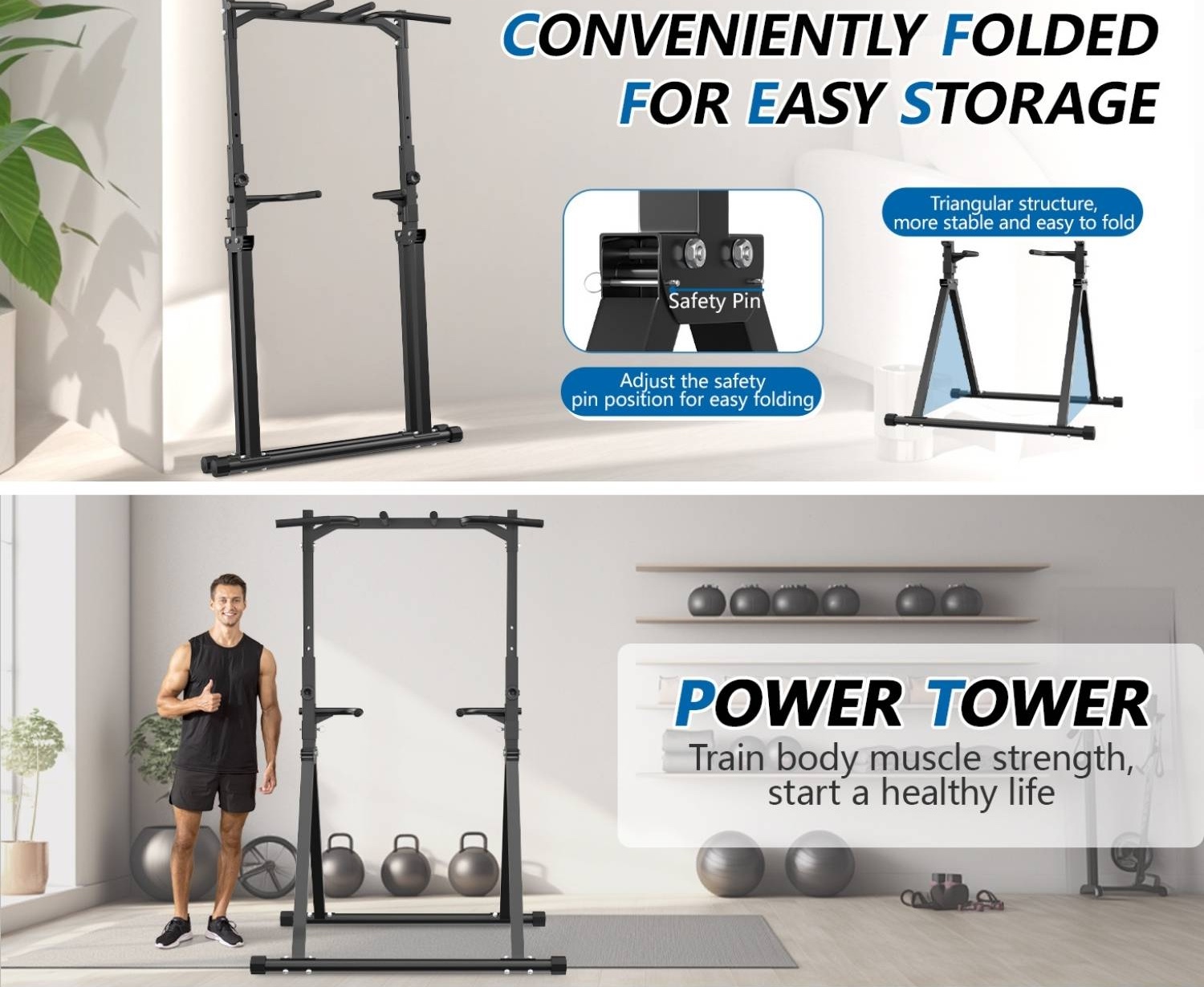
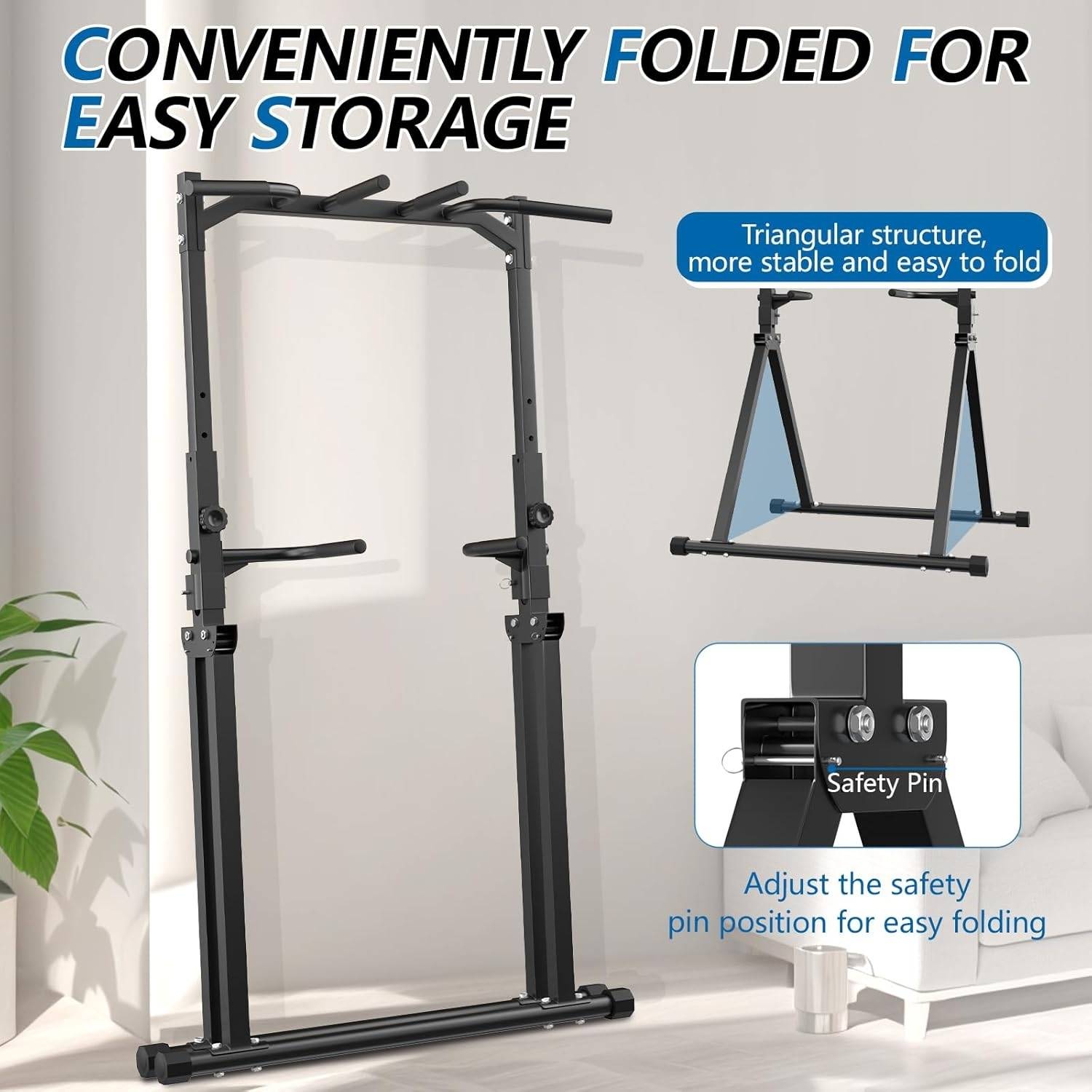
Space-Saving Foldable Design
Build Your Dream Physique at Home with This Folding Pull Up Station
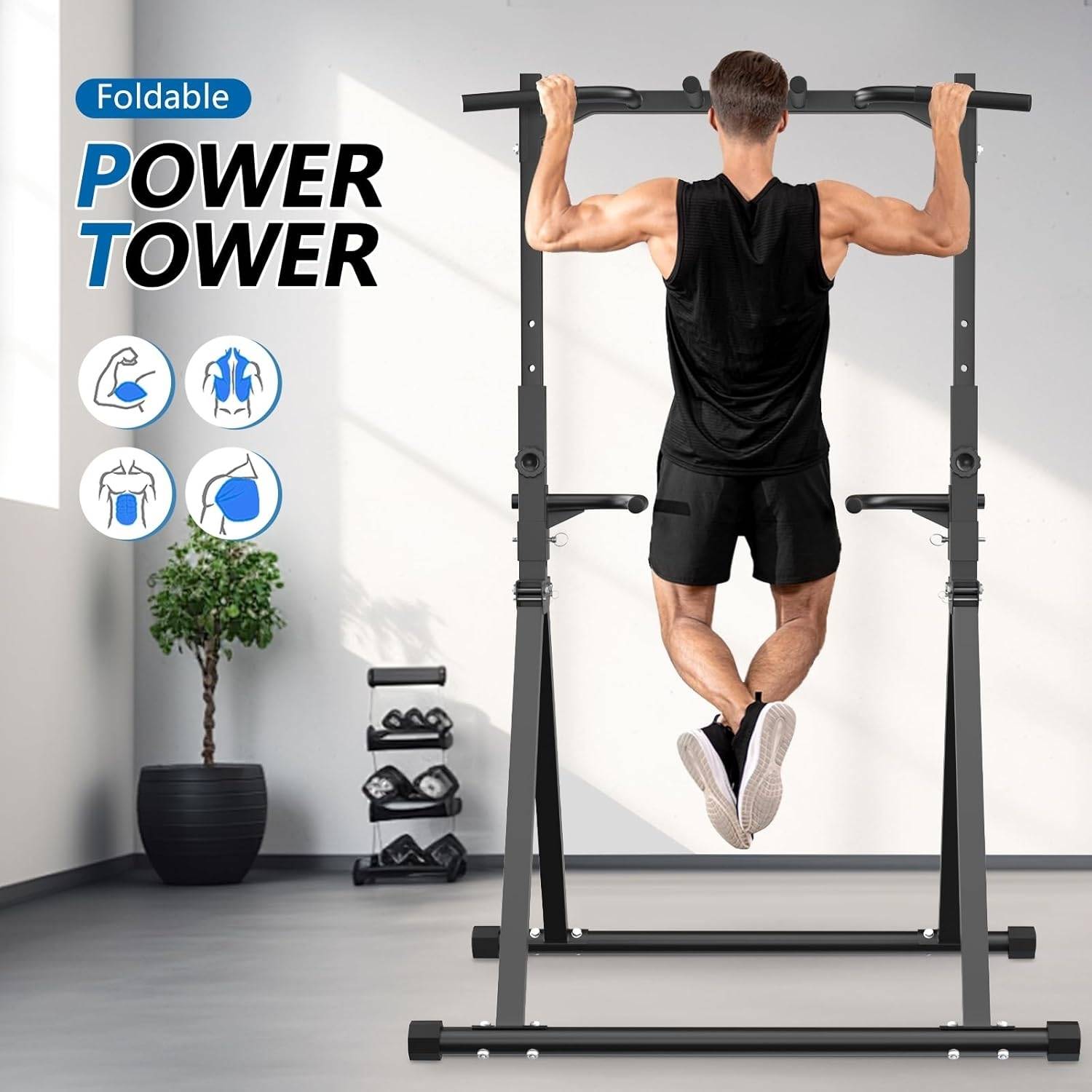
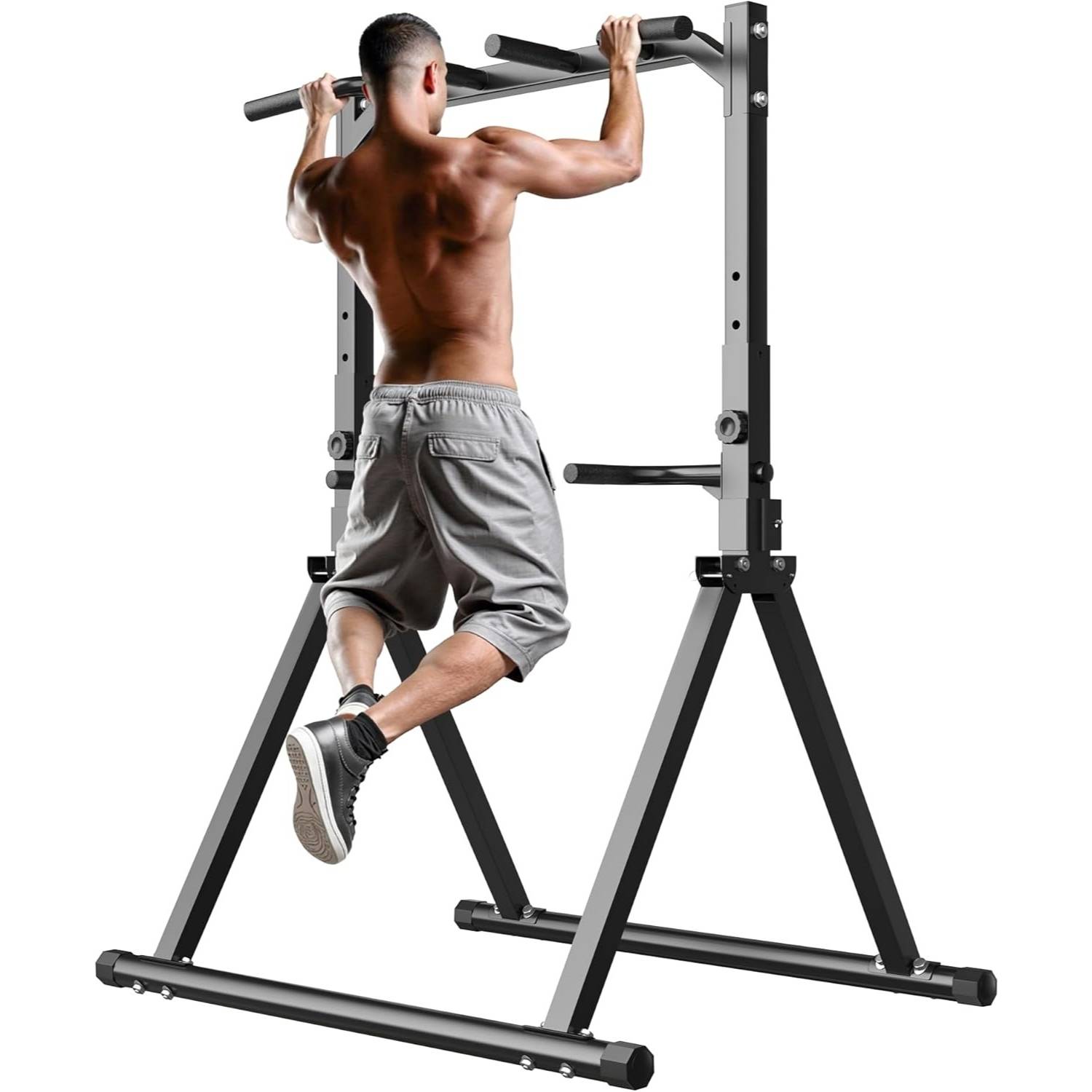
Professional grade power tower delivers a complete upper body workout targeting your back, chest, arms, and core. Adjustable height settings accommodate every family member, while the space saving foldable design stores away when you're done training
all prices include GST
FREE FAST DELIVERY ACROSS AUSTRALIA FOR ALL ORDERS $75+ OR MORE - (Save $27.50)
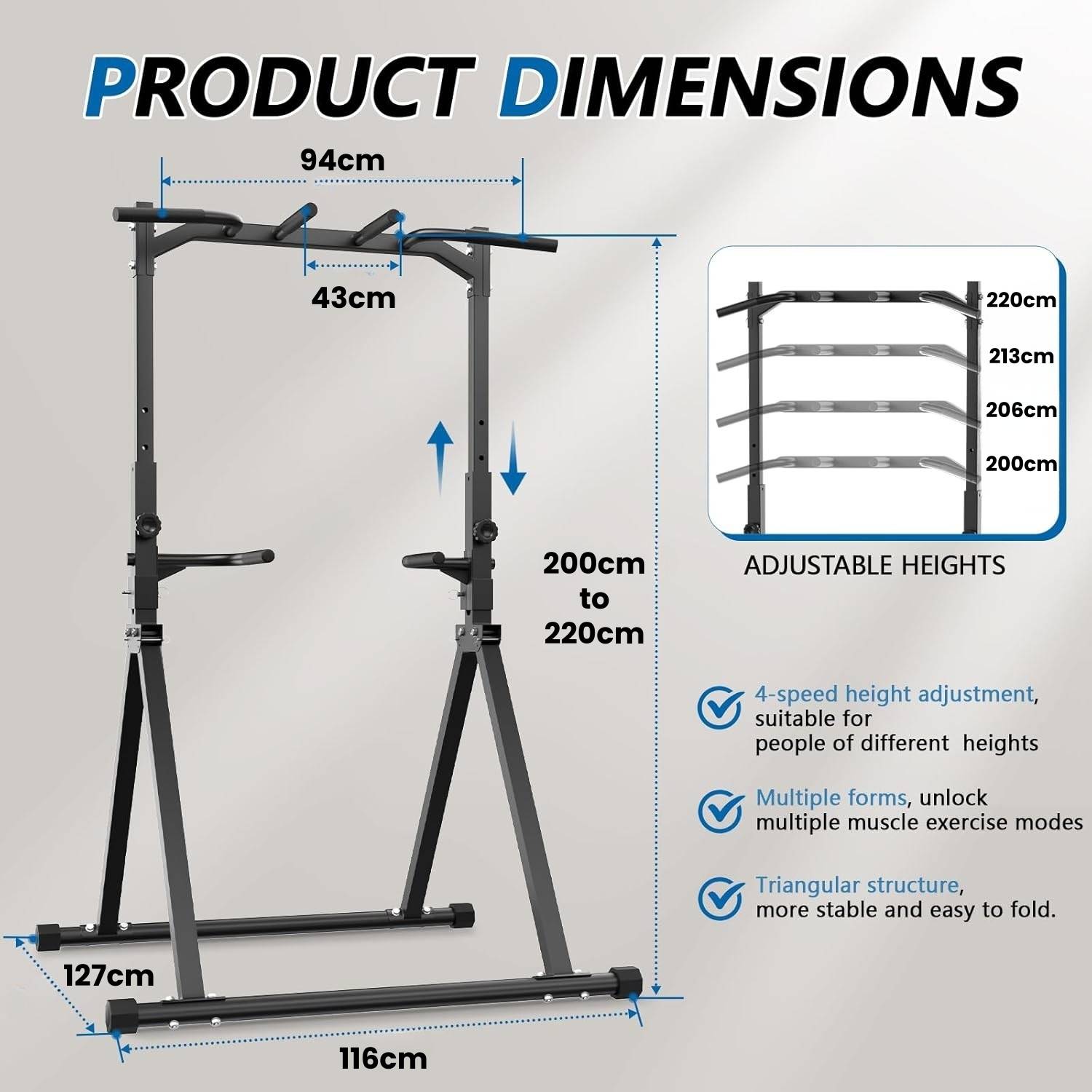
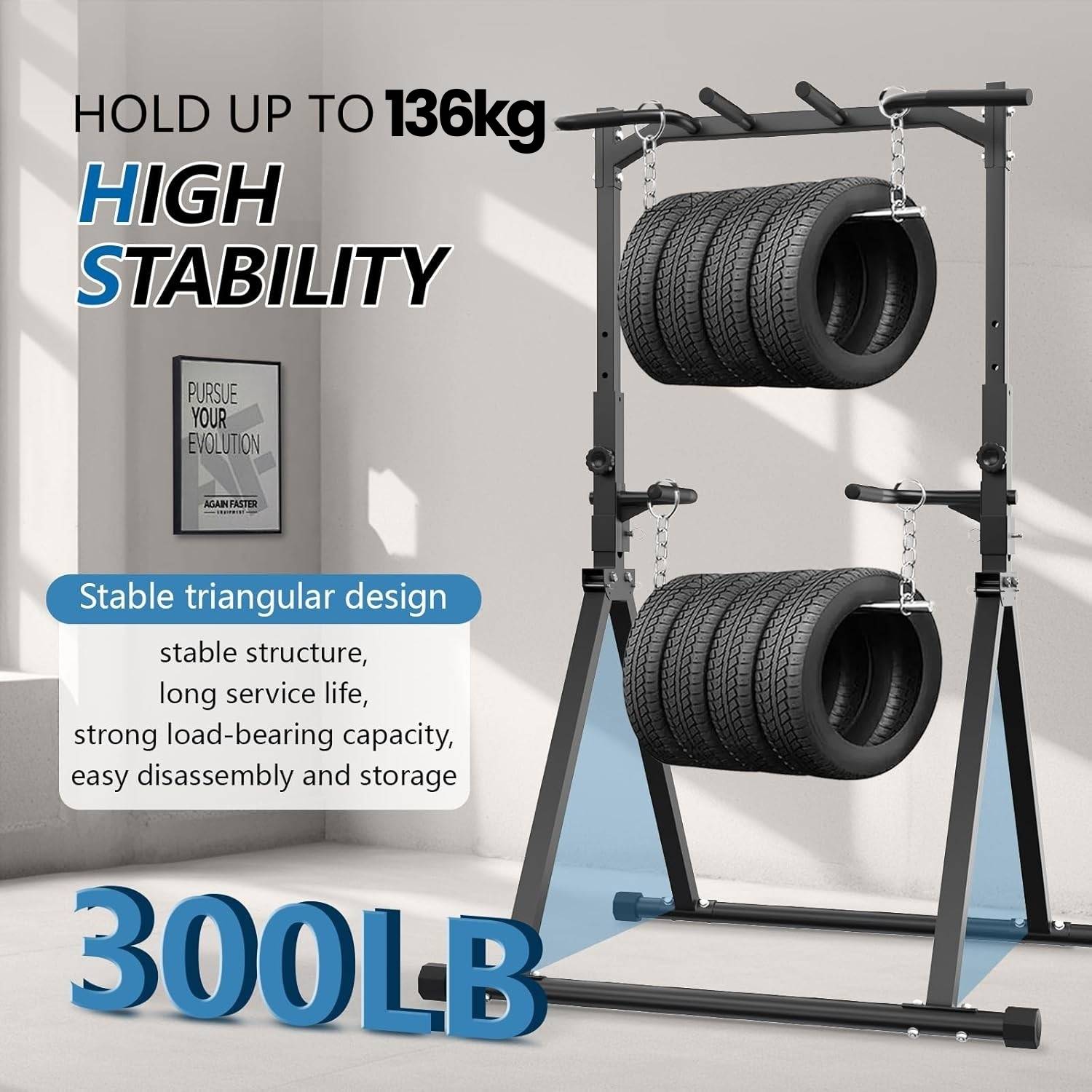
Heavy-duty pull up bar station with 136kg | 300 lb capacity, 4 adjustable heights, and innovative foldable design that collapses.
Build serious strength with pull-ups, dips, and knee raises without sacrificing valuable floor space in your home.
- Folds for easy storage and maximum space efficiency
- 136kg | 300 lb weight capacity with heavy-duty steel triangular frame construction
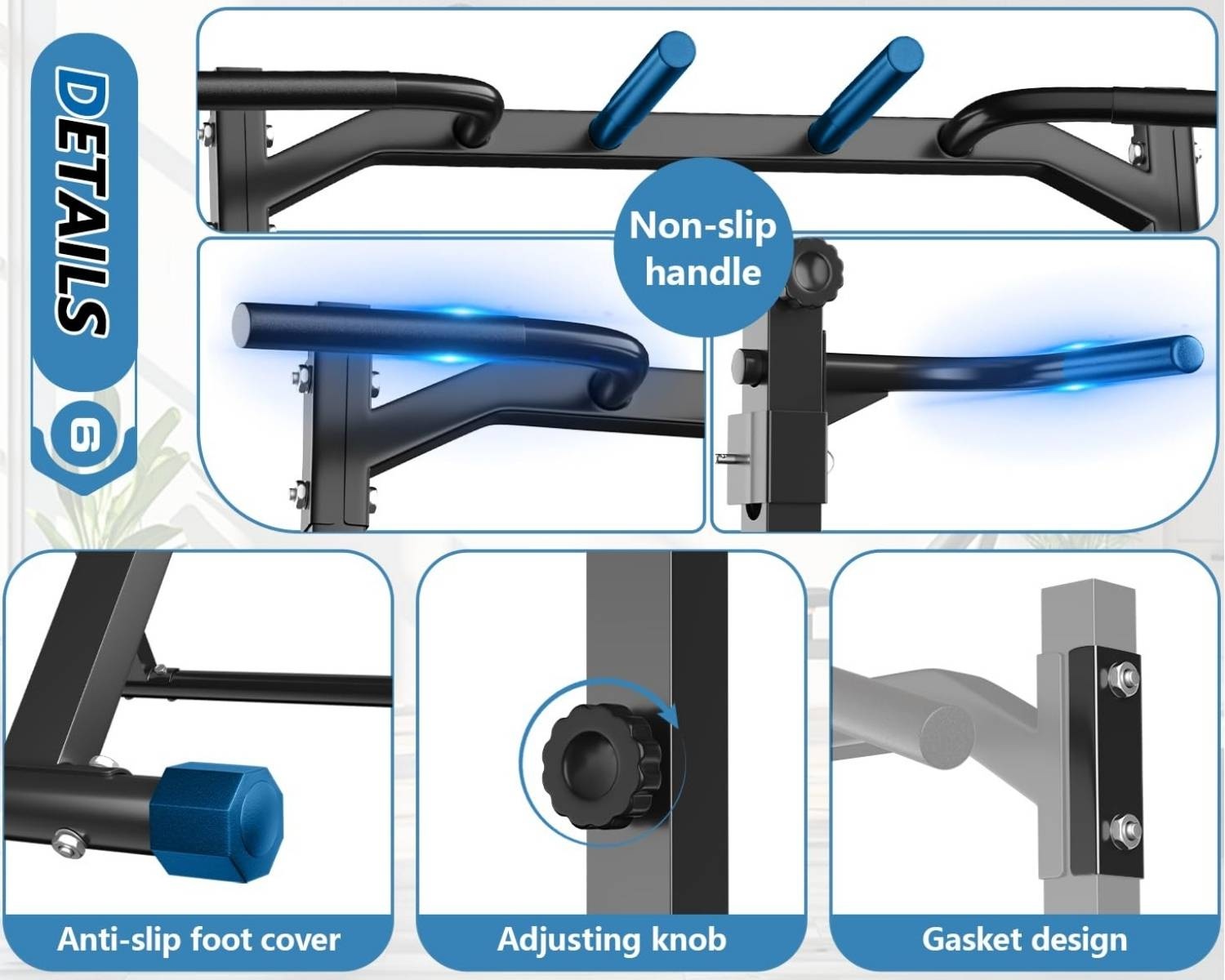
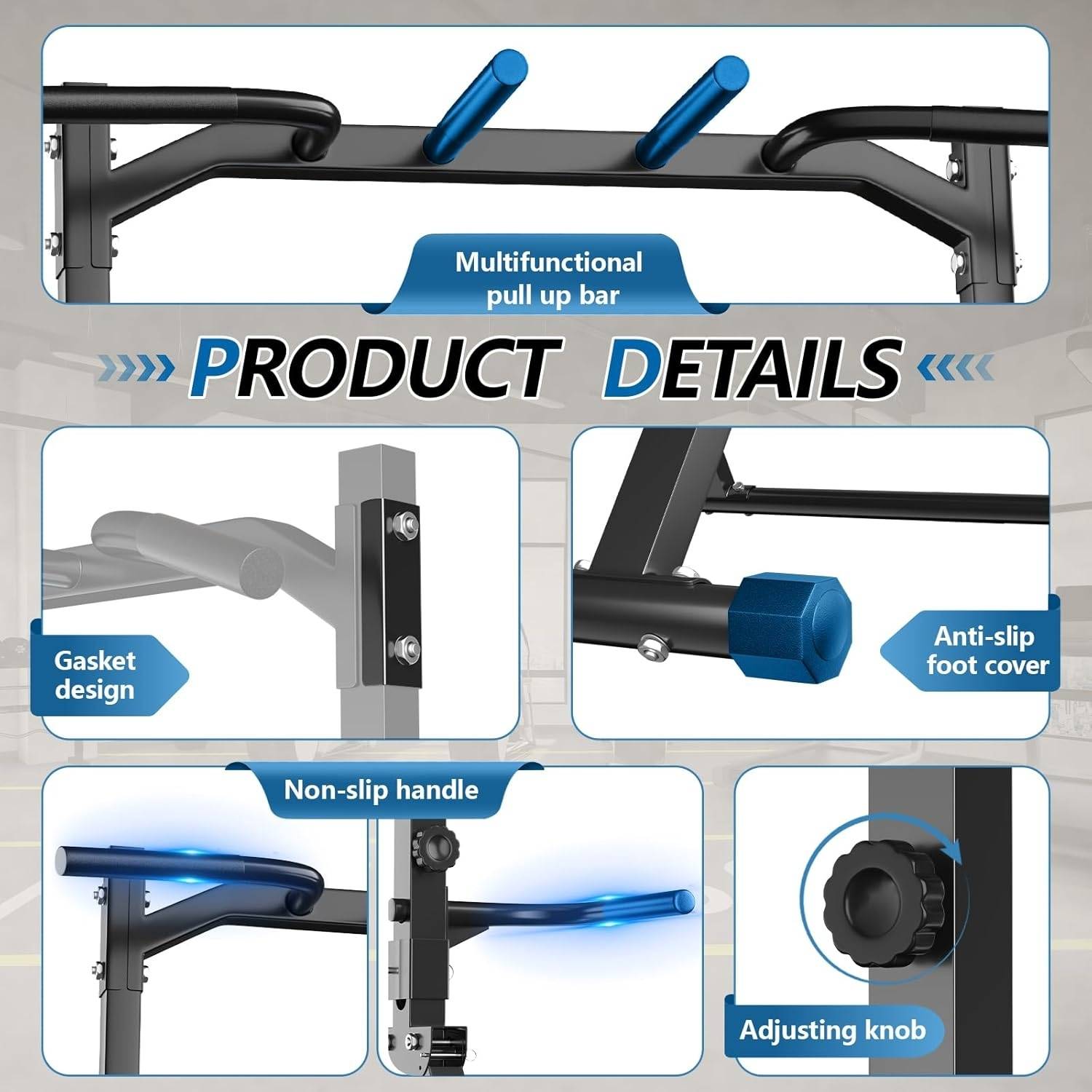
- Wide exercise zone with anti-slip surfaces for safe, comfortable workouts
- 4 adjustable heights to fit users of all sizes
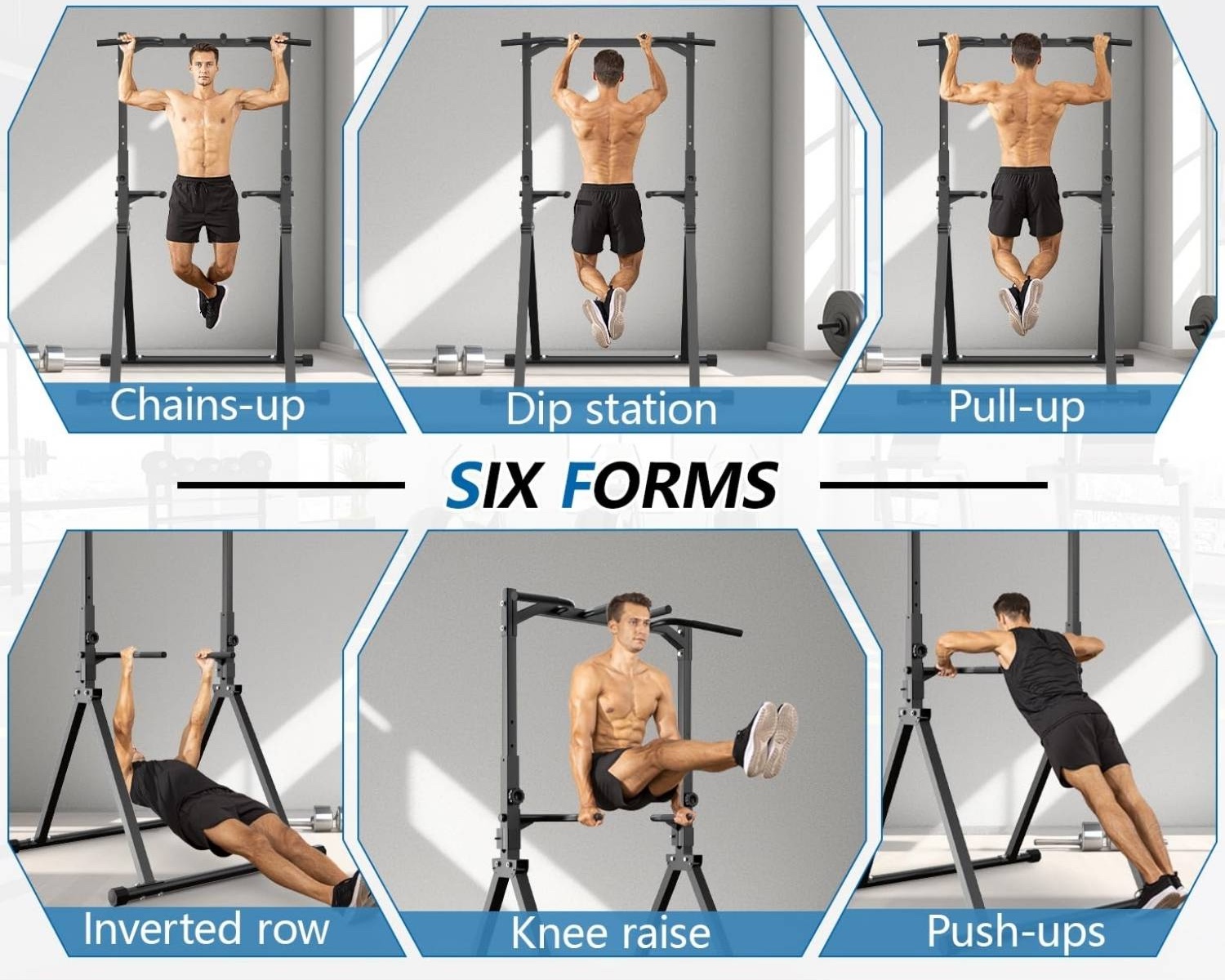
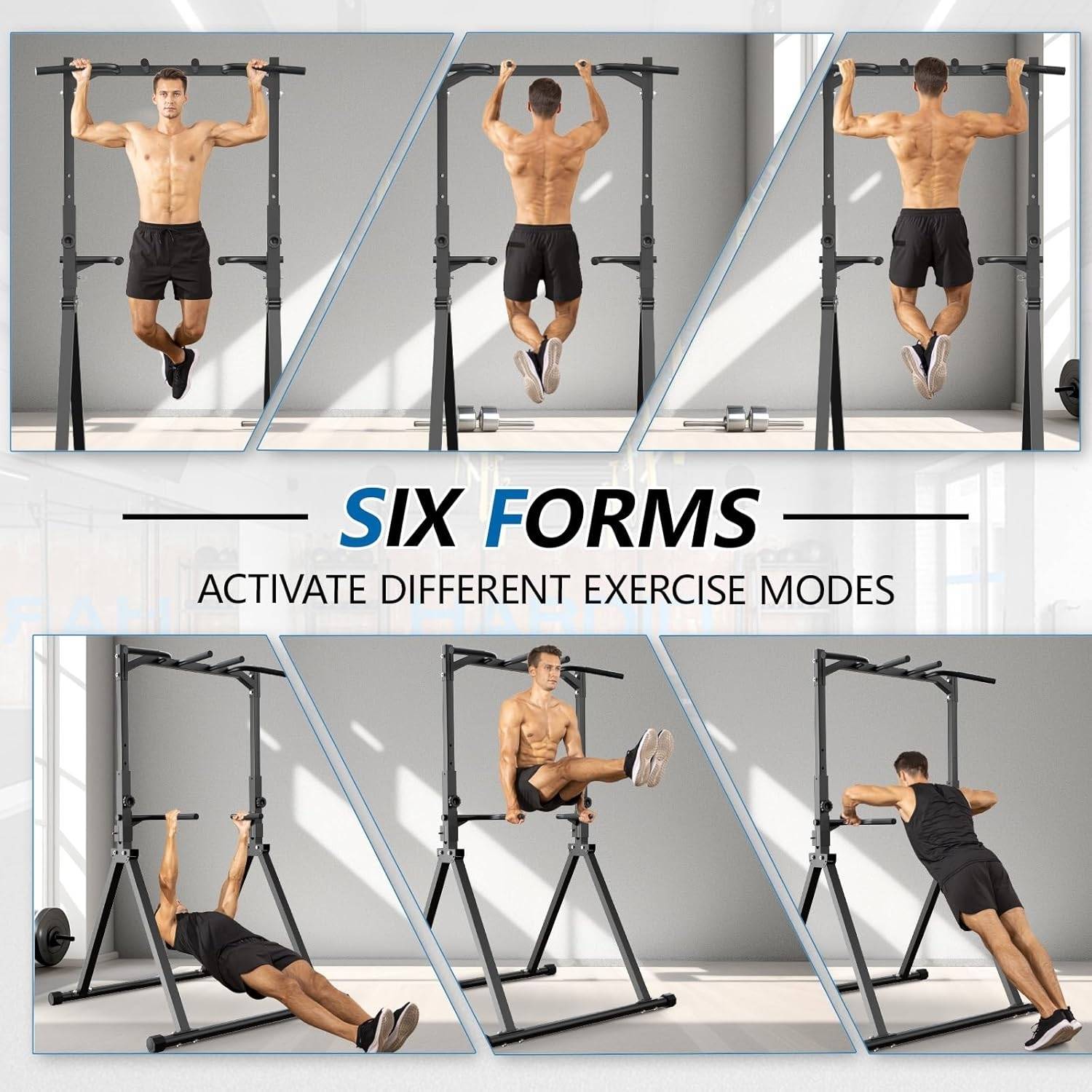
- Multi-function design for pull-ups, dips, knee raises, and complete upper body training
Product Specifications
DUE TO CURRENT DEMAND PLEASE ALLOW 5-7 DAYS DELIVERY
Direct To Your Door - All Across Australia
Space-Saving Foldable Design
Our innovative foldable pull up bar features a clever triangular structure that collapses to just 46" x 12.5" when not in use, making it perfect for home gyms with limited space. Store it easily against a wall or in a closet between workouts without sacrificing floor space.
Heavy-Duty Steel Construction
Built from premium heavy-gauge steel tubing with a reinforced triangular frame design, this pull up station delivers rock-solid stability during every workout. Engineered to support up to 136kg | 300 lbs, the robust construction eliminates wobbling, bending, or deformation even during intense training sessions.
Generous Wide Exercise Area
Train with confidence in the spacious workout zone that provides plenty of room for proper form without risking shoulder or leg contact with the frame. Strategic anti-slip surfaces on key contact points ensure secure grip and enhanced safety throughout your entire routine.
Four Height Adjustments for Every User
Accommodate the whole family with four convenient height settings ranging from 78.7" to 86.8". Simply turn the adjustment knob to find your ideal bar height in seconds. Perfect for households with multiple users of different heights or for varying ceiling clearances.
Complete Upper Body Workout Station
Transform your home gym with this versatile multi-function power tower. The ergonomic pull up bar and strategically positioned handles enable a full range of bodyweight exercises including pull-ups, dips, knee raises, leg lifts, and more. Target your back, chest, arms, shoulders, and core all from one comprehensive piece of equipment.
 Frequently Asked Questions

The Ultimate Guide to Pull Up Stations: Transform Your Home Gym with Power Tower Equipment
Building upper body strength and achieving fitness goals at home has never been more accessible thanks to pull up stations and power tower equipment. These versatile strength training tools deliver professional gym results from the comfort of your own space, offering multiple exercise options that target every major muscle group. Whether you're a fitness beginner taking your first steps toward better health or an experienced athlete seeking to supplement your training regimen, understanding pull up bars and power towers helps you make informed equipment choices that support your specific goals and available space.
Understanding Pull Up Stations and Power Tower Equipment
Pull up stations represent fundamental strength training equipment designed to support bodyweight exercises focusing primarily on upper body development. At their most basic level, these devices provide secure overhead bars where users can perform pull ups, chin ups, and hanging exercises that build back, shoulder, and arm strength. The simplicity of the pull up bar concept belies its remarkable effectiveness for developing functional strength and muscular development.
Power towers expand on basic pull up bar functionality by incorporating additional exercise stations into single freestanding units. These comprehensive strength training systems typically include pull up bars, dip stations, push up handles, and vertical knee raise supports, creating complete upper body workout solutions. The multi-station design maximizes exercise variety while minimizing the floor space required compared to acquiring separate equipment for each exercise type.
The engineering behind quality pull up stations focuses on stability, weight capacity, and user safety. Robust steel construction provides the structural integrity necessary to support dynamic movements and users of varying sizes. Powder-coated finishes resist corrosion from sweat exposure while providing durable surfaces that withstand years of intensive use. Foam padding on contact points protects users during exercises while enhancing grip comfort during challenging sets.
Modern pull up equipment has evolved significantly from simple doorway bars, now offering features including adjustable height settings, multiple grip positions, and ergonomic designs that accommodate proper form across different body types. Understanding these variations helps users select equipment matching their specific training needs, available space, and fitness objectives.
The Physical and Mental Benefits of Pull Up Training
Building Comprehensive Upper Body Strength
Pull ups stand among the most effective compound exercises for developing upper body strength across multiple muscle groups simultaneously. Each repetition engages the latissimus dorsi muscles that create the V-shaped back physique, while recruiting biceps, forearms, rear deltoids, and core stabilizers. This comprehensive muscular engagement delivers functional strength that translates directly to real-world activities and athletic performance.
The pulling motion fundamental to pull up exercises develops muscles often neglected in modern sedentary lifestyles dominated by forward-reaching activities. Strengthening these posterior chain muscles improves posture, reduces shoulder and back pain, and creates muscular balance that support an active routine during daily activities. The vertical pulling pattern complements horizontal pulling exercises like rows, ensuring complete back development.
Progressive overload principles apply naturally to pull up training as users advance from assisted variations to standard pull ups, then progress to weighted versions or advanced techniques. This scalability makes pull up stations valuable for users at any fitness level, from those working toward their first unassisted repetition to advanced athletes performing explosive muscle-ups and high-repetition sets.
Developing Functional Grip Strength
Hanging from pull up bars develops grip strength that extends far beyond gym performance, improving capability in sports, manual labor, and everyday tasks requiring holding, carrying, or manipulating objects. The sustained grip required during pull up sets strengthens forearm muscles, tendons, and connective tissues that support hand and wrist function.
Different grip positions available on quality pull up stations target grip strength from various angles. Wide grips emphasize lat engagement while challenging grip endurance. Narrow grips increase bicep activation and forearm involvement. Neutral grips using parallel handles reduce wrist strain while maintaining grip challenge. Rotating through these positions develops comprehensive grip capabilities.
Dead hangs, where users simply suspend from the bar maintaining grip without performing pull ups, provide accessible entry points for beginners while offering advanced users active recovery and grip endurance training. These static holds improve shoulder health, decompress the spine, and build the foundational strength necessary for progressing to full pull up movements.
Core Stability and Full-Body Integration
Proper pull up execution requires significant core engagement to maintain body position and prevent excessive swinging. The abdominal muscles, obliques, and lower back work continuously throughout each repetition to stabilize the torso and transfer force efficiently. This core involvement makes pull ups effective total-body exercises despite their upper-body focus.
Hanging leg raises and knee raises performed on pull up station vertical supports specifically target abdominal development through functional movement patterns. These exercises build core strength while developing the hip flexors and improving overall body control. The hanging position eliminates momentum commonly used during floor-based ab exercises, ensuring muscles work through complete ranges of motion.
The coordination required to execute pull ups with proper form develops neuromuscular connections that improve overall athletic performance and body awareness. Users learn to recruit appropriate muscles in proper sequences, creating movement efficiency that carries over to other activities. This mind-muscle connection represents a crucial aspect of effective strength training often overlooked in machine-based workouts.
Mental Toughness and Achievement
Pull ups represent challenging exercises that test both physical capability and mental determination. Working toward completing your first unassisted pull up builds perseverance and demonstrates the power of consistent effort. The sense of accomplishment from achieving pull up milestones translates into confidence that extends beyond fitness into other life areas.
The measurable progress tracking inherent to bodyweight exercises provides clear feedback about strength improvements over time. Adding repetitions, advancing to more difficult variations, or reducing assistance levels delivers concrete evidence of developing capabilities. This objective progress measurement maintains motivation and demonstrates the value of dedicated training.
Overcoming the discomfort of challenging sets develops mental resilience applicable to demanding situations beyond the gym. Learning to push through fatigue, maintain focus under stress, and achieve goals despite difficulty builds character traits valuable in professional, personal, and athletic pursuits. The pull up bar becomes a tool for psychological development as much as physical transformation.
Types of Pull Up Equipment for Home Gyms
Doorway Pull Up Bars
Doorway pull up bars represent the most compact and affordable entry point into pull up training, utilizing existing door frames for support without requiring permanent installation. These telescoping bars wedge securely into door frames using leverage and friction, allowing installation and removal in seconds. The portability and minimal space requirements make doorway bars ideal for apartment dwellers or those with limited dedicated workout areas.
Modern doorway bar designs have evolved beyond simple straight bars to include ergonomic shapes accommodating multiple grip positions. Curved designs allow wide, narrow, and neutral grip options from single bars, maximizing exercise variety despite compact dimensions. Foam padding protects door frames from damage while providing comfortable contact surfaces during use.
Weight capacity represents a critical consideration for doorway bars, as the leverage-based mounting system has inherent limitations compared to permanently fixed equipment. Quality models safely support users up to 300 pounds when installed properly, but users should verify door frame integrity and follow manufacturer weight recommendations carefully. Proper installation following all safety guidelines ensures secure mounting that prevents equipment failure during use.
The primary limitation of doorway bars involves restricted exercise variety compared to freestanding equipment. These bars typically accommodate only pull up and chin up variations, lacking the dip stations, push up supports, and vertical knee raise capabilities of power towers. However, for users prioritizing pulling exercises and working within tight space constraints, doorway bars deliver effective training solutions at minimal investment.
Wall-Mounted Pull Up Bars
Wall-mounted pull up bars offer permanent installation options that provide superior stability and weight capacity compared to doorway alternatives while consuming minimal floor space. These bars attach directly to wall studs using heavy-duty mounting hardware, creating fixed overhead bars capable of supporting intense training and heavier users. The permanent nature makes them ideal for dedicated home gym spaces where equipment will remain long-term.
Installation requires identifying wall stud locations and using appropriate fasteners to ensure secure mounting into structural supports rather than hollow drywall. Most quality wall-mounted bars include detailed installation instructions and all necessary hardware. Users comfortable with basic tools can typically complete installation independently, though professional mounting services ensure optimal placement and maximum safety for users lacking DIY experience.
The elevated mounting position of wall bars provides clearance for hanging exercises and vertical movements without interference from floor-based equipment. This overhead positioning also keeps floor areas clear for other exercises, maximizing usable gym space. Some wall-mounted designs incorporate folding mechanisms allowing bars to collapse against walls when not in use, further enhancing space efficiency.
Advanced wall-mounted systems may include multiple bars at varying heights, creating monkey bar configurations supporting traveling hand-over-hand movements and dynamic exercises impossible on single fixed bars. These expanded systems appeal to functional fitness enthusiasts and those training for obstacle course competitions requiring grip endurance and upper body agility.
Freestanding Power Towers
Freestanding power towers represent comprehensive strength training systems incorporating multiple exercise stations into stable, self-supporting structures. These versatile units typically feature pull up bars, parallel dip bars, vertical knee raise stations with padded arm supports, and push up handles, creating complete upper body workout solutions without requiring wall mounting or external support structures.
The stability of quality power towers comes from heavy-gauge steel frames with wide base footprints distributing weight and preventing tipping during dynamic exercises. Rubber-coated feet protect flooring while preventing equipment movement during use. The freestanding design allows positioning anywhere in homes or gyms with adequate ceiling clearance, providing flexibility that fixed installations cannot match.
Adjustable height features on premium power towers accommodate users of different sizes and ceiling heights. Telescoping uprights extend or retract to optimize exercise positioning for individual body proportions while fitting within available vertical space. This adjustability ensures proper ergonomics across multiple users in family settings or training facilities serving diverse populations.
The multi-station functionality of power towers maximizes training efficiency by enabling circuit-style workouts transitioning between exercises without equipment changes. Users can perform pull up sets, immediately move to dip stations, then finish with hanging leg raises, maintaining workout intensity through continuous activity. This exercise variety prevents boredom while enabling comprehensive strength development from single equipment investments.
Ceiling-Mounted Options
Ceiling-mounted pull up bars provide alternative installation solutions for spaces where wall mounting proves impractical or where users prefer overhead positioning. These systems attach to ceiling joists using specialized mounting hardware designed to support vertical loads safely. The overhead positioning provides excellent clearance and keeps wall space available for other equipment or storage.
Installation complexity exceeds wall-mounted options due to the challenges of overhead work and the critical importance of securing mounts into structural supports. Professional installation is strongly recommended for ceiling bars to ensure proper load distribution and safe attachment to ceiling framing. Improper installation of ceiling-mounted equipment creates serious safety hazards with potentially catastrophic failure consequences.
Ceiling bars work particularly well in garage gyms, basements, or dedicated fitness rooms with exposed ceiling joists or accessible mounting surfaces. The permanent installation suits committed fitness enthusiasts planning long-term training spaces. Some ceiling systems include additional mounting points for suspension trainers, gymnastic rings, or heavy bags, creating comprehensive overhead training environments.
Essential Features to Consider When Selecting Pull Up Equipment
Weight Capacity and Structural Integrity
Weight capacity ratings represent the most critical safety specification for pull up equipment, indicating the maximum load structures can safely support during use. Quality home gym pull up stations typically offer weight capacities between 300 and 400 pounds, accommodating most users with safety margins. Commercial-grade equipment may support 500 pounds or more, providing extra security for heavier users or those performing explosive movements generating forces exceeding body weight.
Look beyond advertised weight capacities to examine actual construction quality and materials used. Heavy-gauge steel tubing with wall thickness of at least 2mm provides structural strength necessary for safe operation. Welded joints prove superior to bolted connections in high-stress areas, eliminating potential failure points. Quality powder coating protects steel from corrosion while inspection of welds reveals manufacturing quality.
Stability features including wide base dimensions, rubber foot pads, and low centers of gravity prevent tipping during dynamic movements. Power towers should remain solidly planted during kipping pull ups, explosive dips, and aggressive leg raises without rocking or shifting. Testing equipment stability before purchasing or ensuring generous return policies protects buyers from unstable designs that compromise safety and workout effectiveness.
Grip Options and Ergonomic Design
Multiple grip positions enable exercise variety targeting muscles from different angles while support an active routine from repetitive identical movements. Quality pull up stations provide wide grip options for lat emphasis, narrow grips for bicep focus, and neutral parallel grips reducing wrist strain. Angled grips accommodating natural hand positions during pulling movements enhance comfort and allow heavier training loads through improved biomechanics.
Grip diameter affects comfort and training stimulus, with thicker bars challenging grip strength more intensely while potentially causing discomfort during high-repetition sets. Standard 32mm diameter bars balance grip challenge with comfort for most users. Some equipment offers varied diameter grips allowing users to select appropriate thickness for specific exercises or training focuses.
Foam or rubber grip padding provides cushioning that reduces hand fatigue and prevents callus formation during extended training sessions. Quality padding materials resist compression over time, maintaining cushioning properties through years of use. Textured surfaces enhance grip security, particularly during sweaty workouts when smooth metal becomes slippery. Removable grip covers allow cleaning or replacement as padding wears.
Adjustability and Customization
Height adjustment capabilities ensure pull up bars position appropriately for users of different statures and accommodate varying ceiling heights. Telescoping designs allow setting bar heights enabling full hanging extension without feet touching ground while providing adequate overhead clearance. This adjustability proves particularly valuable in multi-user households where family members of different heights share equipment.
Removable or adjustable components enable customizing equipment configuration for specific exercises or space constraints. Some power towers feature detachable dip bars or adjustable backrest angles on vertical knee raise stations, allowing users to optimize setups for individual preferences and training focuses. This flexibility extends equipment utility while accommodating evolving training needs as users progress.
Width adjustments on dip bars accommodate different shoulder widths and exercise variations. Wider dip positions emphasize chest development while narrow positions focus on triceps. Adjustable dip bars prevent the discomfort and potential injury from forced positioning outside natural shoulder width ranges. Look for secure locking mechanisms ensuring adjusted positions remain fixed during exercise execution.
Space Requirements and Footprint
Actual equipment dimensions including length, width, and height determine whether pull up stations fit within available spaces. Measure workout areas carefully and compare against manufacturer specifications, adding clearance for safe movement around equipment. Account for ceiling height requirements ensuring adequate space for full hanging extension plus safety margin preventing head contact with ceilings during pull up motions.
Consider the total exercise envelope required beyond static equipment footprint. Pull ups, dips, and leg raises involve body movement beyond equipment boundaries. Allow minimum 24 inches clearance on all sides for safe exercise execution and equipment access. Inadequate clearance creates collision hazards with walls, other equipment, or obstacles that compromise safety and limit exercise effectiveness.
Foldable or compact designs benefit users with limited dedicated workout space who need to store equipment between training sessions. Some power towers feature folding mechanisms reducing depth significantly for storage against walls or in closets. Doorway bars offer ultimate portability and storage efficiency, disappearing into closets when not in use. Weigh space-saving features against potential compromises in stability or exercise variety.
Proper Pull Up Technique and Form Guidelines
Mastering the Standard Pull Up
Proper pull up execution begins with grip placement slightly wider than shoulder width using overhand pronated grip. Hang from the bar with arms fully extended, shoulders engaged and pulled down rather than shrugged toward ears. This active shoulder position protects joints while ensuring muscles rather than connective tissues bear loads. Engage core muscles to prevent excessive lower body swinging that reduces exercise effectiveness.
Initiate the pulling motion by driving elbows down and back, focusing on squeezing shoulder blades together rather than simply bending arms. This movement pattern ensures back muscles perform primary work while arms serve as connections between back and bar. Pull smoothly until chin clears the bar, avoiding jerky movements or momentum. Pause briefly at the top position before controlling descent back to full arm extension.
Breathing rhythm supports performance and safety throughout sets. Exhale during the pulling phase as effort increases, inhale during the descent. Controlled breathing maintains core pressure supporting spinal stability while preventing breath-holding that elevates blood pressure dangerously. Consistent breathing patterns also help maintain rhythm and focus during challenging sets.
Common form errors include incomplete range of motion failing to achieve full arm extension at bottom positions, excessive swinging using momentum rather than muscle strength, and hunching shoulders creating joint stress. Recording workout videos enables self-assessment identifying form issues. Consider working with qualified trainers to establish proper technique before developing problematic movement patterns requiring later correction.
Chin Up Variations and Benefits
Chin ups utilize underhand supinated grips with palms facing toward body, shifting muscular emphasis compared to overhand pull ups. This grip variation increases bicep involvement while still engaging back muscles effectively. Many users find chin ups slightly easier than pull ups due to enhanced bicep contribution, making them excellent progressions for those working toward standard pull ups.
The supinated grip position places wrists and elbows in more natural positions for some users, potentially reducing joint discomfort experienced during pronated grip exercises. Alternating between pull up and chin up variations support an active routine from repetitive identical movements while ensuring complete muscular development through varied stimulation angles.
Neutral grip pull ups using parallel handles create compromise positions between pronated and supinated grips. These variations reduce wrist rotation stress while distributing work relatively evenly between back and arm muscles. Users with wrist issues often find neutral grips most comfortable for sustained training, making equipment offering these options valuable for long-term training consistency.
Progression Strategies for Beginners
Beginners unable to perform unassisted pull ups benefit from structured progression programs building necessary strength systematically. Negative pull ups, where users jump or step to the top position then slowly lower through the full range of motion, develop eccentric strength foundational to eventual concentric pulling ability. Focusing on controlled descent for 3-5 seconds per repetition builds strength efficiently.
Resistance band assistance reduces effective body weight, allowing users to perform pull up motions with appropriate resistance for current strength levels. Loop resistance bands over pull up bars and place feet or knees in bands, selecting band tensions providing assistance levels enabling 5-8 repetitions with proper form. Progressively use lighter bands as strength increases until unassisted pull ups become achievable.
Isometric holds at various pull up positions develop strength throughout the movement range. Hang at mid-position or with chin over bar for maximum durations, building muscular endurance and strength simultaneously. These static holds also develop mental toughness and grip endurance essential for higher-repetition sets.
Maximizing Power Tower Versatility
Dip Station Exercises for Chest and Triceps
Parallel bar dips rank among the most effective bodyweight exercises for developing chest and tricep strength. Proper dip execution involves gripping parallel bars firmly, supporting full body weight on straight arms. Lower body by bending elbows until upper arms reach parallel with ground or shoulders descend slightly below elbows, then press back to starting position.
Body positioning during dips determines which muscle groups receive primary emphasis. Leaning torso forward and allowing elbows to flare slightly outward shifts focus toward chest muscles, particularly lower pectorals. Maintaining upright torso position with elbows tracking close to body sides emphasizes tricep development. Alternating between these variations provides comprehensive upper body training from single exercises.
Progressive overload in dip training advances from assisted variations using resistance bands or foot support to full bodyweight dips, then weighted versions using dip belts or weighted vests. The scalability ensures dips remain challenging regardless of strength level, preventing plateaus that halt progress. Advanced users performing high repetition sets or adding significant weight develop impressive pressing strength and muscular development.
Vertical Knee Raise and Leg Lift Variations
Vertical knee raise stations on power towers provide supported positions for core exercises targeting abdominal muscles through hip flexion movements. Position forearms on padded supports with back against backrest, allowing legs to hang freely. Raise knees toward chest by contracting abdominal muscles, avoiding momentum or swinging. Control the descent back to starting position maintaining constant tension on core muscles.
Progression to straight leg raises increases difficulty significantly by extending leverage and requiring greater core strength to control longer leg levers. Advanced users perform toes-to-bar movements raising feet all the way to contact pull up bars, demanding exceptional core strength and flexibility. These challenging variations develop core stability applicable to athletic performance and advanced calisthenics skills.
Oblique emphasis occurs through twisting motions during leg raises, bringing knees toward opposite shoulders rather than straight up centerline. These rotation movements target side abdominal muscles often neglected in straight flexion exercises. Windshield wiper movements swinging legs side to side at top position create advanced variations challenging core stability from rotational forces.
Push Up Variations Using Tower Bases
Power tower bases often incorporate push up handles enabling elevated hand positions during push up exercises. The increased range of motion from elevated handles allows chest to descend below hand level, stretching pectoral muscles through greater ranges than floor push ups permit. This extended range of motion can enhance muscle development and flexibility simultaneously.
Varied hand positioning on push up handles targets different muscle groups similarly to grip variations in pull exercises. Wide hand positions emphasize chest involvement while narrow positions focus on triceps. Neutral parallel handles reduce wrist strain compared to traditional palm-down positions, enabling higher volume training without joint discomfort.
Decline push up positions placing feet on elevated surfaces and hands on tower base handles create challenging variations increasing shoulder and upper chest involvement. The inverted angle increases effective weight supported by arms while targeting muscle fibers recruited during overhead pressing movements. These variations provide comprehensive chest development without requiring additional equipment.
Creating Effective Pull Up Bar Workout Routines
Beginner Programs Building Foundation
Novice users benefit from structured programs focusing on mastering basic movement patterns before advancing to complex variations. Begin with three weekly sessions allowing adequate recovery between workouts. Each session should include assisted pull ups using bands or negative repetitions, supported dips or bench dips, and hanging knee raises, performing 3-4 sets of each exercise.
Emphasis during beginning phases should prioritize proper form over repetition numbers. Performing 5 perfect repetitions builds better foundations than 15 poor-quality reps using excessive momentum or partial ranges of motion. Video recording sets enables form assessment and tracking improvements in technique alongside strength gains.
Supplementary exercises including inverted rows, push ups, and plank holds complement pull up training by developing supporting muscle groups and overall upper body strength. These accessory movements prevent weak links from limiting pull up progress while providing exercise variety maintaining motivation and engagement.
Intermediate Strength Development
Intermediate users capable of performing multiple unassisted pull ups and dips benefit from higher volume training and exercise variations challenging muscles through different movement patterns. Four weekly sessions allow increased training frequency while managing recovery demands. Incorporate wide grip, close grip, and neutral grip pull ups alongside standard width variations to ensure complete back development.
Pyramid sets gradually increasing then decreasing repetitions build work capacity and muscular endurance. Example pyramid structures might progress 5-7-9-7-5 repetitions across five sets with brief rest intervals. These variable repetition schemes provide training stimulus different from straight sets while developing mental toughness handling varied rep ranges.
Superset combinations pairing opposing muscle groups maximize training efficiency while enabling one muscle group to recover while the other works. Pairing pull ups immediately followed by push ups or dips creates efficient upper body circuits maintaining elevated heart rates while accumulating high training volumes. These intense sessions develop both strength and cardiovascular conditioning simultaneously.
Advanced Training Methods
Advanced athletes incorporating weighted pull ups and dips push strength development beyond bodyweight limitations. Utilize dip belts, weighted vests, or hold dumbbells between feet to add resistance progressively. Begin with small weight additions of 5-10 pounds, focusing on maintaining proper form throughout all repetitions before increasing loads further.
Explosive pull ups developing power involve accelerating forcefully during pulling phases, sometimes achieving enough momentum to release grip briefly at top positions. These plyometric variations build fast-twitch muscle fibers and explosive strength applicable to athletic performance. Progress to clapping pull ups or muscle-ups representing advanced skills requiring exceptional strength and technique.
Greasing the groove methodology involves performing submaximal sets throughout days rather than concentrated workout sessions. Perform 50-60 percent of maximum pull up repetitions multiple times daily, accumulating high weekly volumes without reaching muscular failure. This approach, popular among military and tactical athletes, builds remarkable strength and endurance through frequent practice below fatigue thresholds.
Safety Considerations and Injury Prevention
Proper Warm-Up and Mobility Preparation
Adequate warm-up prepares muscles, joints, and connective tissues for intense pull up training demands. Begin with general movement elevating heart rate and increasing blood flow to working muscles. Arm circles, shoulder rolls, and light cardio activities ready bodies for specific exercise demands following general preparation.
Dynamic stretching targeting shoulders, lats, and arms enhances range of motion and reduces injury risk during training. Band pull-aparts, scapular push ups, and arm swings prepare specific movement patterns used during pull up exercises. Spend 5-10 minutes on comprehensive warm-ups rather than rushing into challenging sets with cold, unprepared tissues.
Practice reps at reduced intensity before maximum effort sets allow neuromuscular systems to rehearse movement patterns and ensure proper form activation. Perform several easy pull ups or dips focusing on technique and muscle engagement before progressing to challenging working sets. These preparation sets also provide opportunities to assess daily readiness and adjust training intensity appropriately.
Recognizing and Addressing Overuse Issues
Repetitive pull up training can stress shoulders, elbows, and wrists through constant pulling motions. Elbow tendonitis and shoulder impingement represent common overuse injuries affecting frequent pull up practitioners. Pay attention to pain developing gradually over multiple sessions rather than acute injury from single incidents. Persistent discomfort signals potential overuse requiring rest or modified training approaches.
Balancing pulling exercises with adequate pushing movements prevents muscular imbalances that contribute to injury and postural issues. For every pull up workout, ensure equivalent pushing exercise volume through push ups, dips, or overhead pressing. This balanced approach maintains shoulder joint integrity and prevents the forward shoulder posture that develops from excessive pulling without counterbalancing pushing work.
Rest and recovery prove as important as training itself for long-term progress and injury prevention. Schedule rest days allowing tissues to repair and adapt to training stresses. Listen to body signals indicating excessive fatigue or developing injury rather than pushing through pain. Conservative approaches support an active routine ensure more consistent training over months and years compared to aggressive approaches risking setbacks.
Equipment Maintenance and Safety Checks
Regular equipment inspection identifies potential safety issues before they cause accidents. Check all bolted connections monthly, tightening any that have loosened from vibration during use. Examine welds for cracks or deterioration indicating structural compromise. Replace worn foam padding preventing metal contact that could cause discomfort or injury.
Floor contact points should remain secure and undamaged. Replace worn rubber feet preventing equipment movement during exercise. Ensure carpet or floor surfaces beneath equipment provide adequate friction preventing sliding. Consider rubber gym mats under equipment protecting floors while enhancing stability.
Weight capacity adherence protects users from equipment failure. Never exceed manufacturer weight ratings, accounting for dynamic forces during explosive movements that can generate loads exceeding static body weight. When multiple users share equipment, ensure all understand and respect weight limitations preventing dangerous overloading.
Space Planning and Home Gym Integration
Optimizing Equipment Placement
Strategic power tower positioning maximizes usable gym space while ensuring safe exercise execution. Place equipment with adequate clearance from walls, ceilings, and other equipment. Consider sight lines allowing users to face mirrors during exercises supporting form monitoring. Positioning near windows provides natural light and ventilation improving workout environments.
Traffic flow through home gyms should allow easy access to all equipment without navigating tight spaces or moving obstacles. Create logical equipment groupings supporting efficient workout transitions. Position pull up stations near other strength equipment if space permits, creating strength training zones separate from cardio areas in comprehensive home gyms.
Ceiling height requirements vary by equipment type and user height. Measure from floor to ceiling carefully, accounting for full arm extension while hanging plus several inches safety clearance. Taller users or those with low ceilings may need to select compact equipment or install ceiling-mounted bars in higher spaces like garages.
Complementary Equipment Additions
Resistance bands enhance pull up station utility by enabling assisted exercise variations and adding training options. Quality band sets with varying resistances accommodate different exercises and user strength levels. Store bands on equipment hooks or nearby storage keeping them accessible for quick exercise transitions.
Adjustable weight benches positioned near power towers enable supplementary exercises including bench press, dumbbell work, and decline exercises using tower structures for foot anchoring. This equipment combination creates comprehensive strength training environments addressing all major muscle groups without requiring elaborate gym setups.
Flooring protection including rubber mats or interlocking foam tiles absorbs impact, reduces noise, and protects surfaces beneath equipment. Quality gym flooring also provides comfortable surfaces for floor exercises incorporated into workout routines. The defined workout space created by gym flooring psychologically designates training areas encouraging consistent exercise habits.
Cost Considerations and Value Assessment
Comparing Equipment Investment to Gym Memberships
Quality pull up stations and power towers represent one-time investments providing years of service compared to ongoing monthly gym membership fees. A mid-range power tower costing several hundred dollars equals just months of typical gym memberships. Over equipment lifespan measured in years or decades, the cost savings become substantial while providing convenience that memberships cannot match.
Home equipment eliminates commute time to commercial gyms, removing common excuses for skipping workouts. The convenience of training at any hour without facility schedules or crowding often results in more consistent exercise habits that deliver better results than sporadic gym visits. Time savings compound over months and years, representing significant value beyond simple cost comparisons.
Consider total household value when multiple family members use home gym equipment. A power tower serving three users provides triple the value of the same investment benefiting only one person. Home gyms also offer privacy some users prefer over public gym environments, delivering psychological comfort worth quantifying in value assessments.
Balancing Quality and Budget
Budget-conscious shoppers face temptations of extremely affordable pull up equipment that may compromise on quality, safety, or longevity. While entry-level products serve beginners adequately, serious long-term users benefit from investing in quality equipment that withstands years of intensive use. Cheap equipment requiring frequent replacement actually costs more over time than quality products lasting decades.
Mid-range equipment typically offers the best value balance, providing solid construction and features without premium pricing associated with top-tier commercial equipment. Research user reviews carefully, focusing on long-term ownership experiences rather than initial impressions. Look for warranties indicating manufacturer confidence in product durability.
Consider upgrade paths when selecting equipment. Some companies offer accessory additions expanding basic equipment capabilities as training needs evolve. Modular systems allowing capability expansion provide better long-term value than fixed configurations limiting future options. Factor potential upgrade costs into initial purchasing decisions.
Conclusion: Building Strength and Fitness with Pull Up Stations
Pull up stations and power towers deliver exceptional value for home fitness enthusiasts seeking effective strength training equipment. The combination of exercise versatility, space efficiency, and proven results makes these tools foundational to successful home gym setups. Whether choosing compact doorway bars for apartment training or comprehensive power towers for dedicated gym spaces, understanding equipment options and proper usage ensures selection of tools supporting specific fitness goals.
The fundamental simplicity of bodyweight training using pull up equipment creates sustainable fitness approaches requiring no ongoing costs beyond initial equipment investment. The progressive nature of pull up training scales from absolute beginners working toward first repetitions through advanced athletes performing weighted variations and complex skills. This scalability ensures equipment remains valuable throughout entire fitness journeys spanning years or decades.
Proper technique, structured programming, and attention to safety fundamentals maximize results while support an active routine that derails progress. Combining pull up training with balanced exercise selection addressing all major muscle groups creates comprehensive fitness programs rivaling expensive gym memberships and personal training services. The convenience and privacy of home training often produces superior adherence compared to commercial gym attendance.
Investing in quality pull up equipment represents commitment to health, strength, and personal development extending far beyond physical benefits. The discipline developed through consistent training, the confidence built through measurable progress, and the mental toughness forged through challenging workouts create positive impacts affecting all life areas. Pull up stations become tools for comprehensive personal transformation when approached with dedication and intelligent programming.